Commercial Portrait
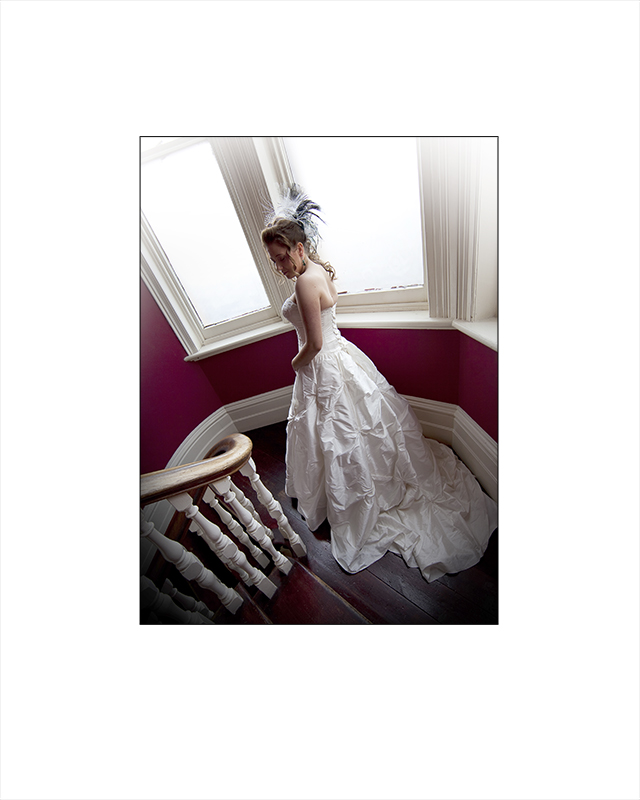
LISA
- Camera: Canon EOS 1Ds Mk III
- Lens: EF 24-105mm f4 L IS USM
- Focal length: 73mm
- Exposure: 1/200sec f/9 @ ISO 100
- Method: Tripod / Studio

© Copyright 2012 Robert Mark Elliott (Photographer), All Rights Reserved.
The World Through Digital Eyes
© Copyright 2012 Robert Mark Elliott (Photographer), All Rights Reserved.


© Copyright 2012 Robert Mark Elliott (Photographer), All Rights Reserved.
© Copyright 2012 Robert Mark Elliott (Photographer), All Rights Reserved.
Trade name for an animation production device, originally developed and patented by Max Fleischer studios in 1917, that is used to project live-action images, one frame at a time, onto a screen, where they can then be traced by an animator, facilitating the reproduction of complicated movements, the making of traveling mattes, or the creation of a realistic cartoon style. A common term for any system or technique of using live-action footage as a guide in animation.
H. Lester
 Mark Elliott Photographer
You must be logged in to post a comment.